
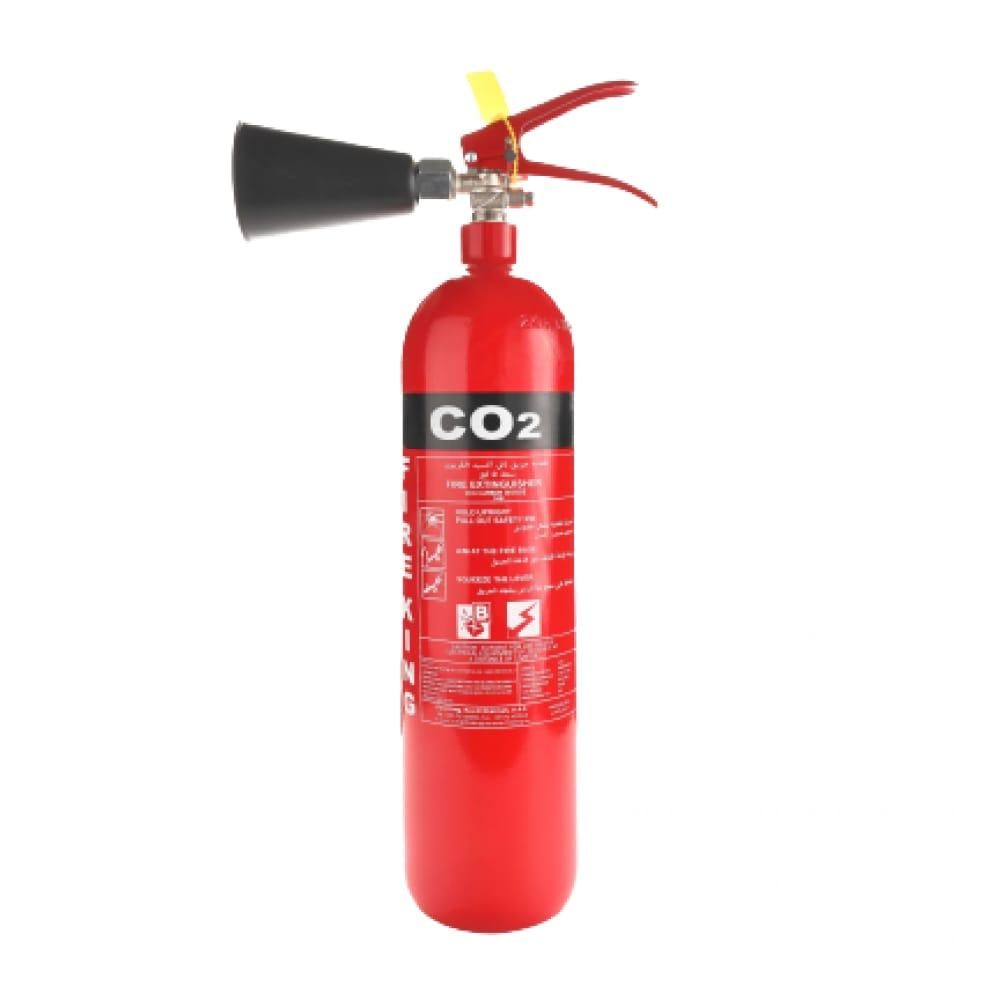
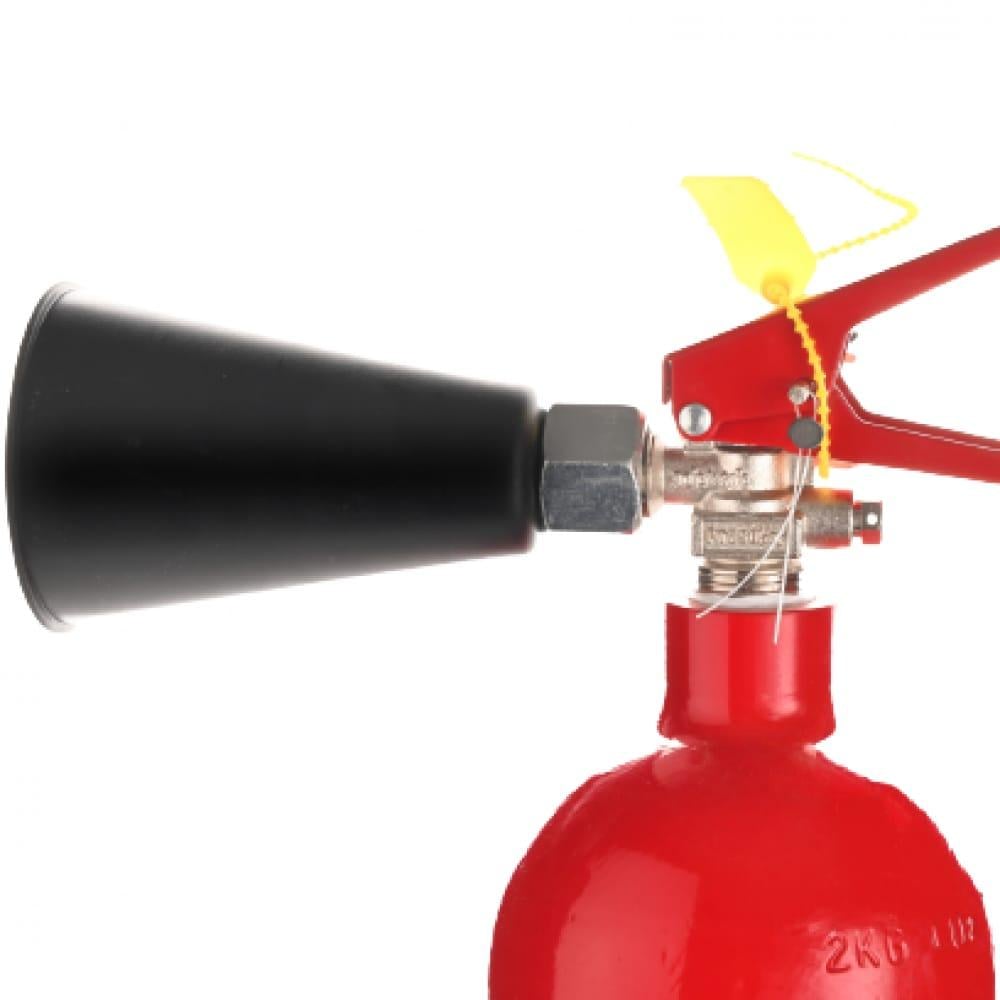
- A 2 Kg Co2 Fire Extinguisher Is A Portable Fire Suppression Device Containing Carbon Dioxide, A Non-Flammable Gas, Stored Under High Pressure. When Discharged, The Co2 Displaces The Oxygen In The Air Surrounding The Fire, Effectively Smothering It. These Extinguishers Are Particularly Effective Against Class B Fires (Flammable Liquids Like Gasoline, Oil, And Solvents) And Class E Fires (Electrical Fires) Because Co2 Is Non-Conductive And Leaves No Residue, Preventing Damage To Electrical Equipment.
- Key Features Of A 2 Kg Co2 Fire Extinguisher:
- Certified Product Made In:china
- 100% Original Premium Quality
- Cylinder Material:ms
- Capacity (Kg):2 Kg
- Fire Rating:21B
- Temperature Range:(-)30°C To +60°C
- Minimum Effective Charge Time:9 Seconds (Minimum)
- Bulk Range Discharge:2 Mtr (Minimum)
- Operating_Pressure:70 Bar
- Test Pressure:250 Bar
- Safe For Use On Live Electrical Equipments
- Squeeze Grip Operation.
- Fully Refillable.
- Controlled Discharge
- Uses Of Co2 Fire Extinguishers:
- Electrical Fires: Ideal For Fires Involving Electrical Equipment Such As Computers, Servers, Generators, And Other Electronic Devices. The Non-Conductive Nature Of Co2 Makes It Safe To Use On Live Electrical Equipment Without Causing Damage Or Risk Of Electric Shock.
- Flammable Liquid Fires (Class B): Effective Against Fires Involving Flammable Liquids Like Gasoline, Diesel, Oils, Paints, And Solvents. The Co2 Gas Smothers The Flames By Displacing Oxygen.
- Areas With Sensitive Equipment: Commonly Used In Offices, Server Rooms, Laboratories, And Areas With Delicate Machinery Where Residue From Other Types Of Extinguishers (Like Powder Or Foam) Could Cause Significant Damage.
- Safety Precautions When Using A Co2 Fire Extinguisher:
- Avoid Confined Spaces: Co2 Displaces Oxygen And Can Cause Asphyxiation In Poorly Ventilated Areas. Use With Caution In Small Rooms.
- Handle The Horn Carefully: The Horn Becomes Extremely Cold During Discharge And Can Cause Frostbite If Touched Directly With Bare Skin. Always Use The Handles Provided. Modern Extinguishers Often Have Insulated Horns.
- Aim At The Base Of The Fire: Direct The Discharge At The Base Of The Flames And Move The Nozzle From Side To Side To Cover The Burning Area.
- Maintain A Safe Distance: Keep A Safe Distance From The Fire When Discharging The Extinguisher.
- Be Aware Of Re-Ignition: Co2 Extinguishers Cool The Fire But Do Not Leave A Lasting Extinguishing Agent. Be Vigilant For Potential Re-Ignition Of Flammable Materials.
- Do Not Use On Class A Fires (Solid Combustibles): Co2 Extinguishers Are Not Very Effective On Fires Involving Ordinary Combustibles Like Wood, Paper, Or Textiles Because They Do Not Cool The Material Sufficiently To Prevent Re-Ignition.
- Do Not Use On Class F Fires (Cooking Oils And Fats): The Force Of The Co2 Discharge Can Splatter Burning Oil And Spread The Fire.
- Regular Inspection And Maintenance: Ensure The Extinguisher Is Regularly Inspected And Maintained According To The Manufacturer's Instructions And Local Regulations (Typically Annually For Business Use In Saudi Arabia, Requiring A "Bomba License" Renewal). Check The Pressure Gauge To Ensure It Is Within The Operational Range.
- Storage: Store The Extinguisher In A Cool, Dry Place, Away From Direct Sunlight And Extreme Temperatures (Typically Between -30°C And +60°C). Secure It With The Provided Bracket To Prevent Accidental Falls Or Damage.